Emotive Transformation: Suffuse Blossom #8
Emotive Design Research Lab
Temple University Tyler School of Art and Architecture
In Collaboration with Na Wei
2025
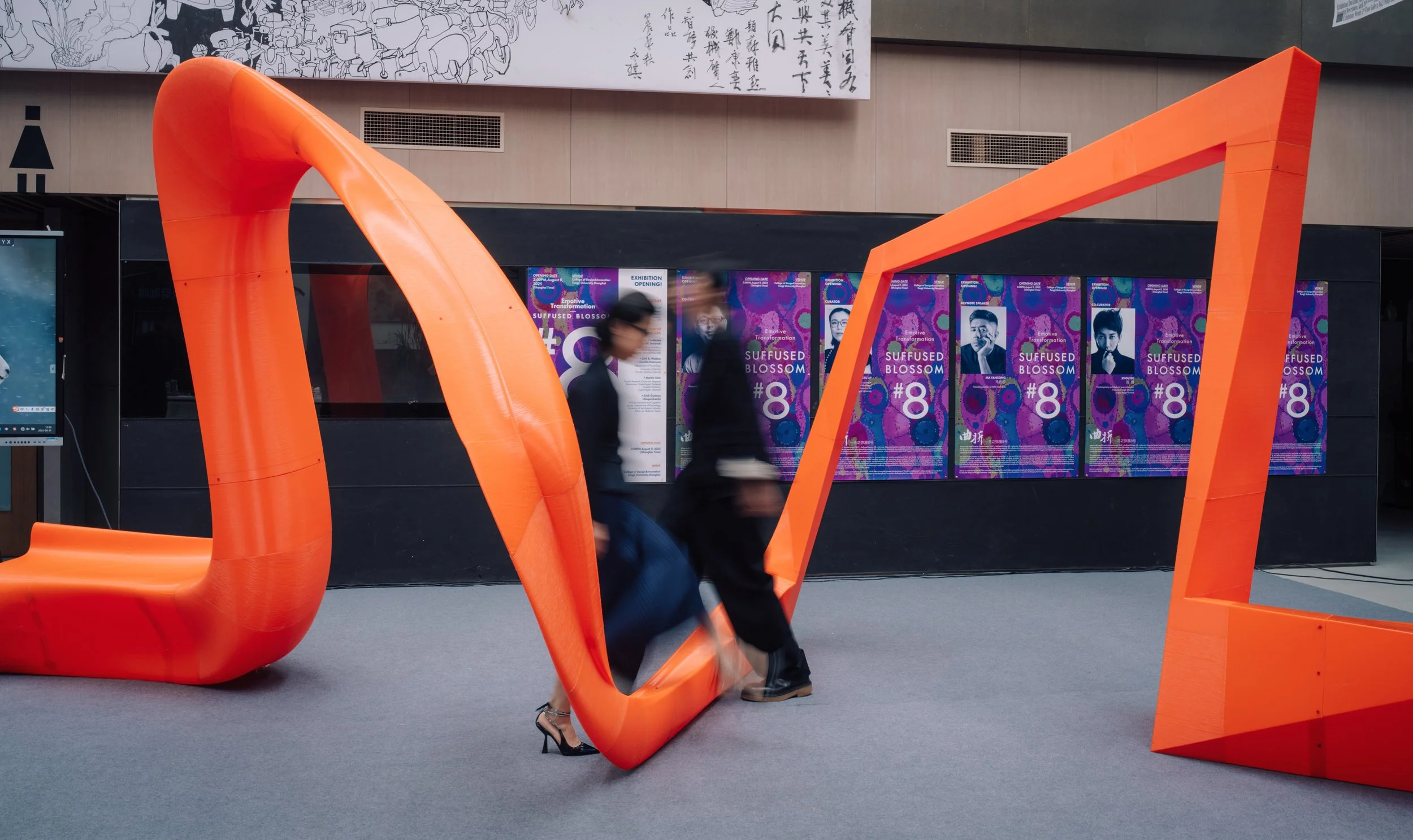
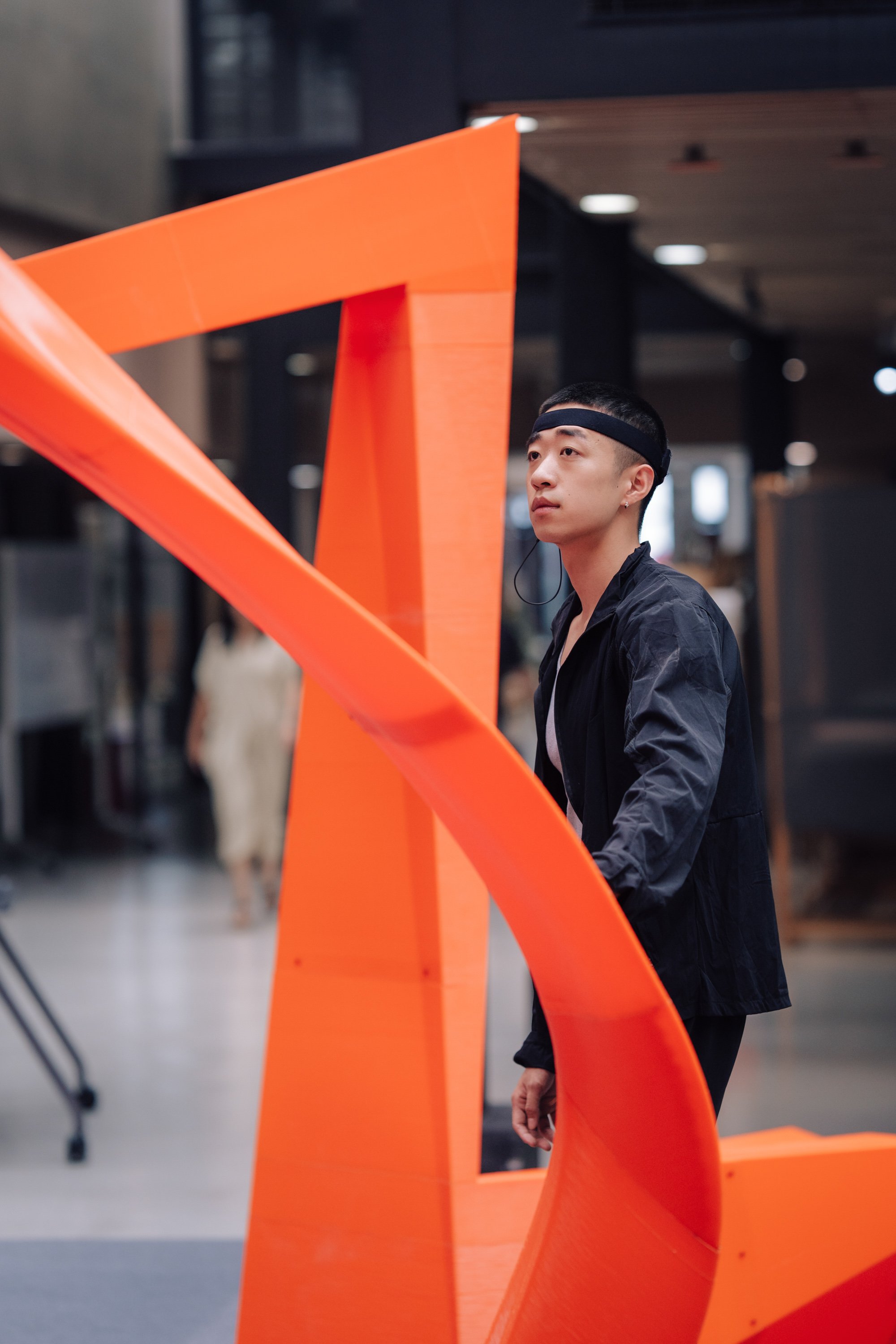
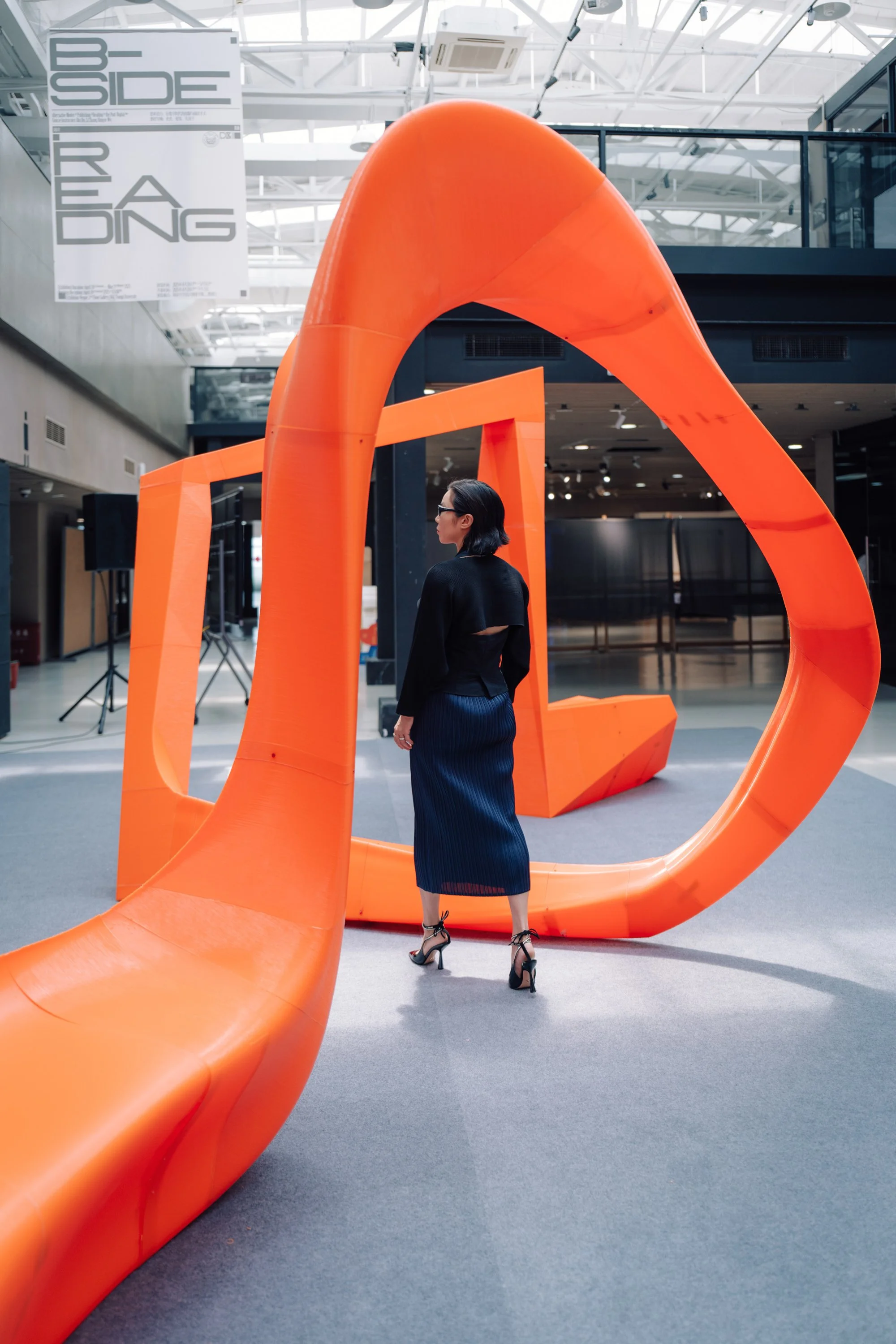
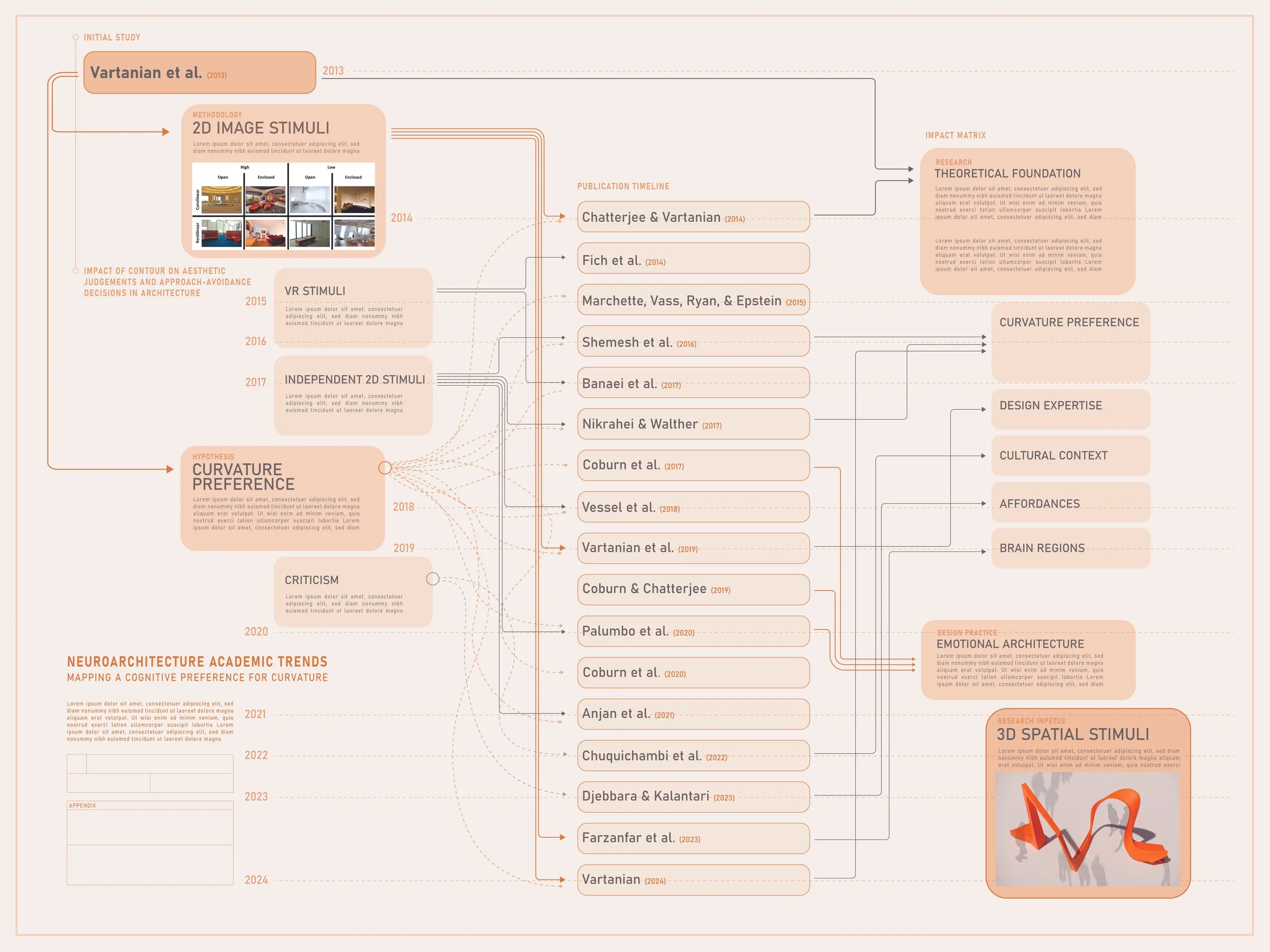
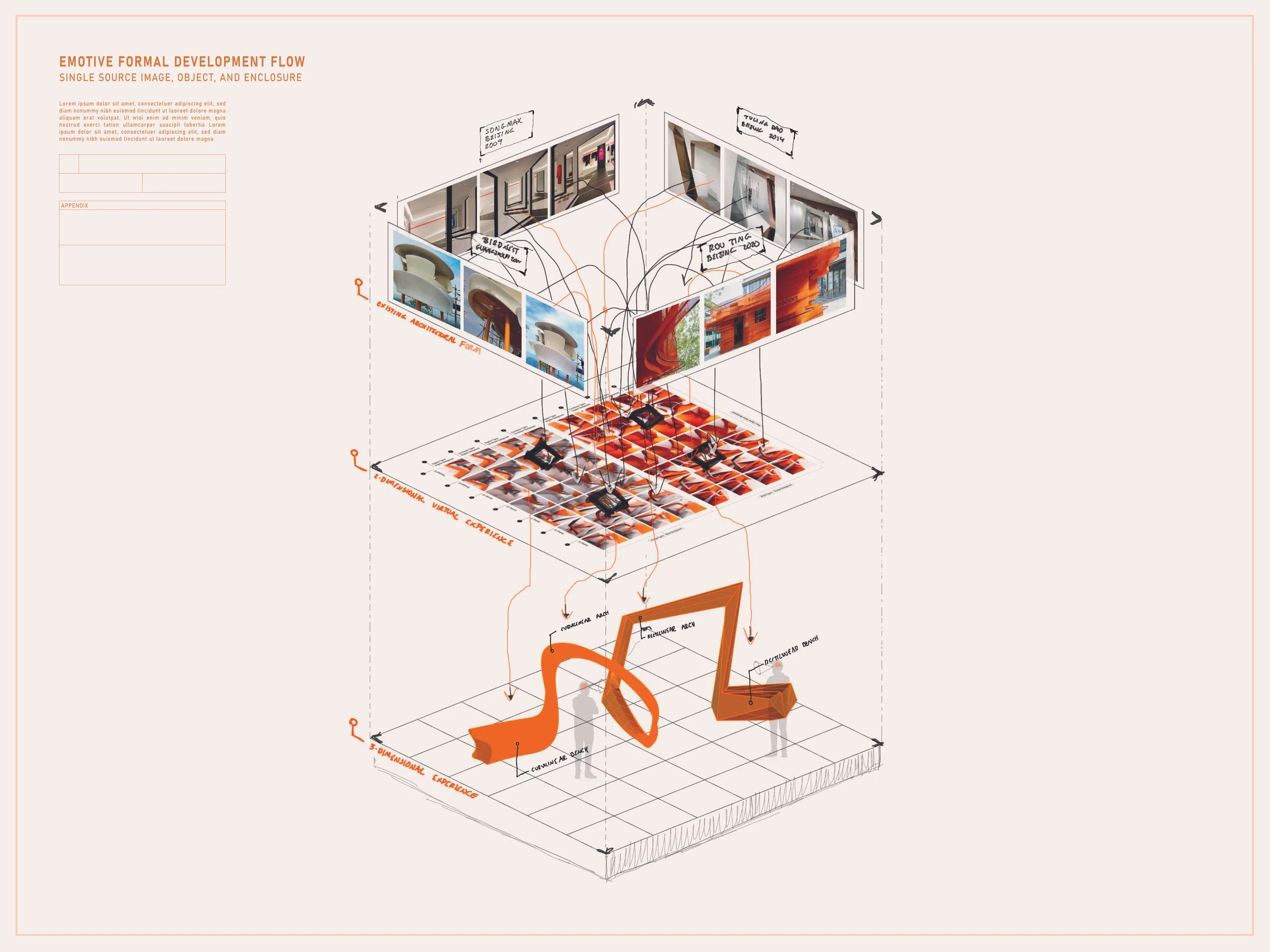


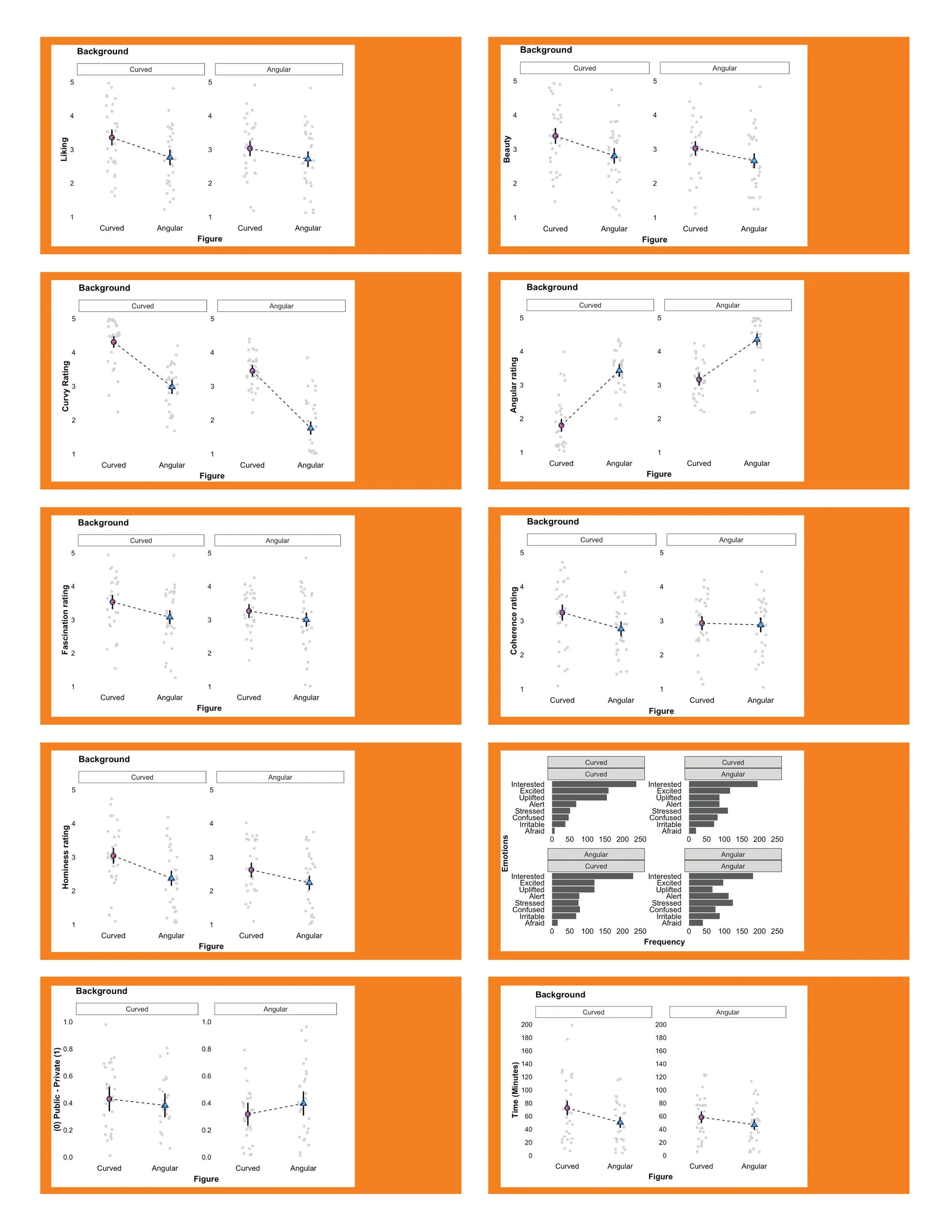
Architecture profoundly shapes the human experience, influencing emotions, cognition, and behavior. A growing body of research is dedicated to understanding how design choices in architecture impact human emotions, with a particular focus on the contrast between curvilinear and angular forms. This field of study, known as neuroaesthetics, explores the neurological mechanisms behind our aesthetic preferences and how these can translate into architectural design. The latest project, Emotive Transformation, delves into these concepts by examining the emotional and behavioral responses elicited by curvilinear versus angular architectural forms. By combining neuroscience, psychology, and design, the project aims to create emotionally intelligent spaces, ultimately contributing to healthier built environments.
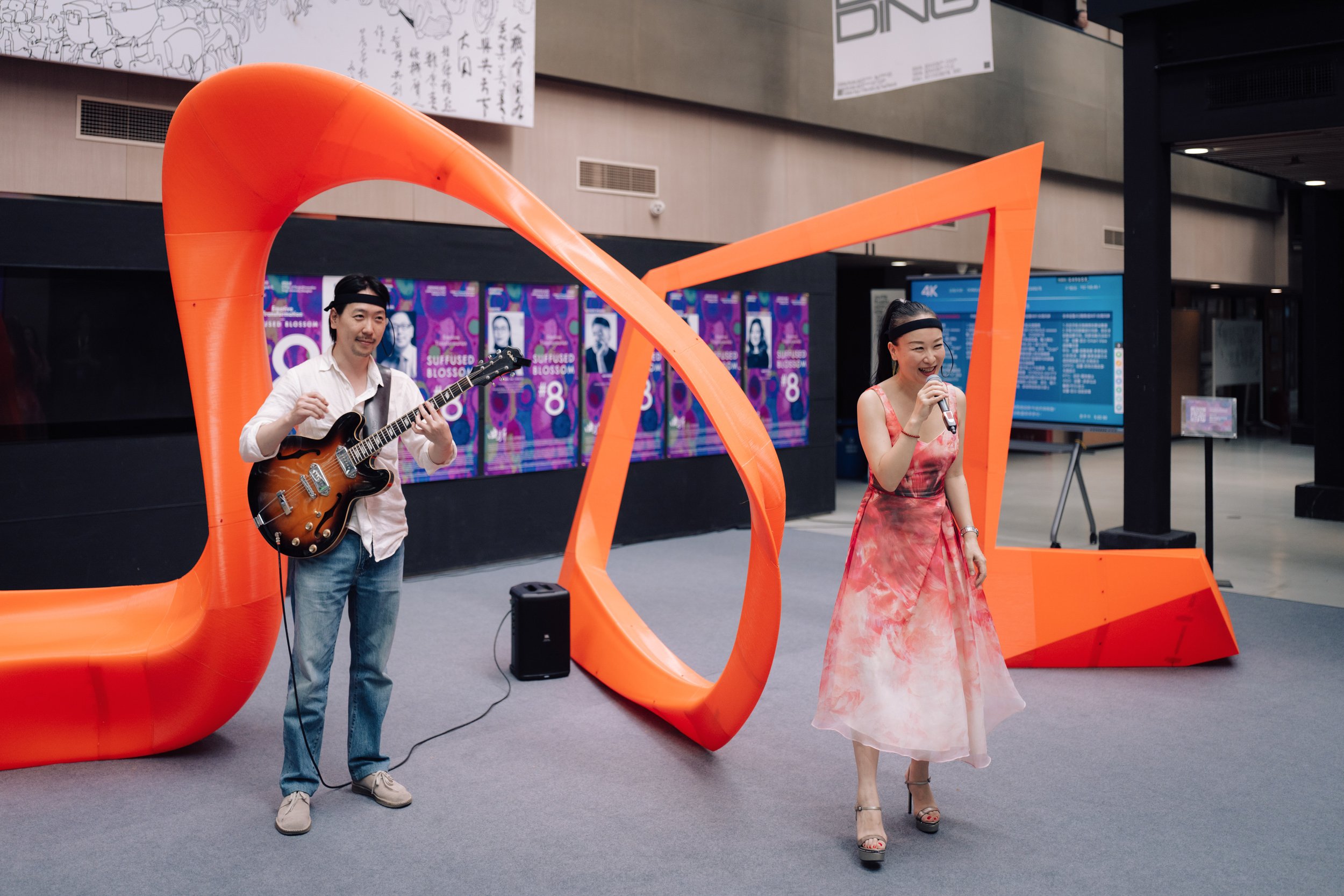
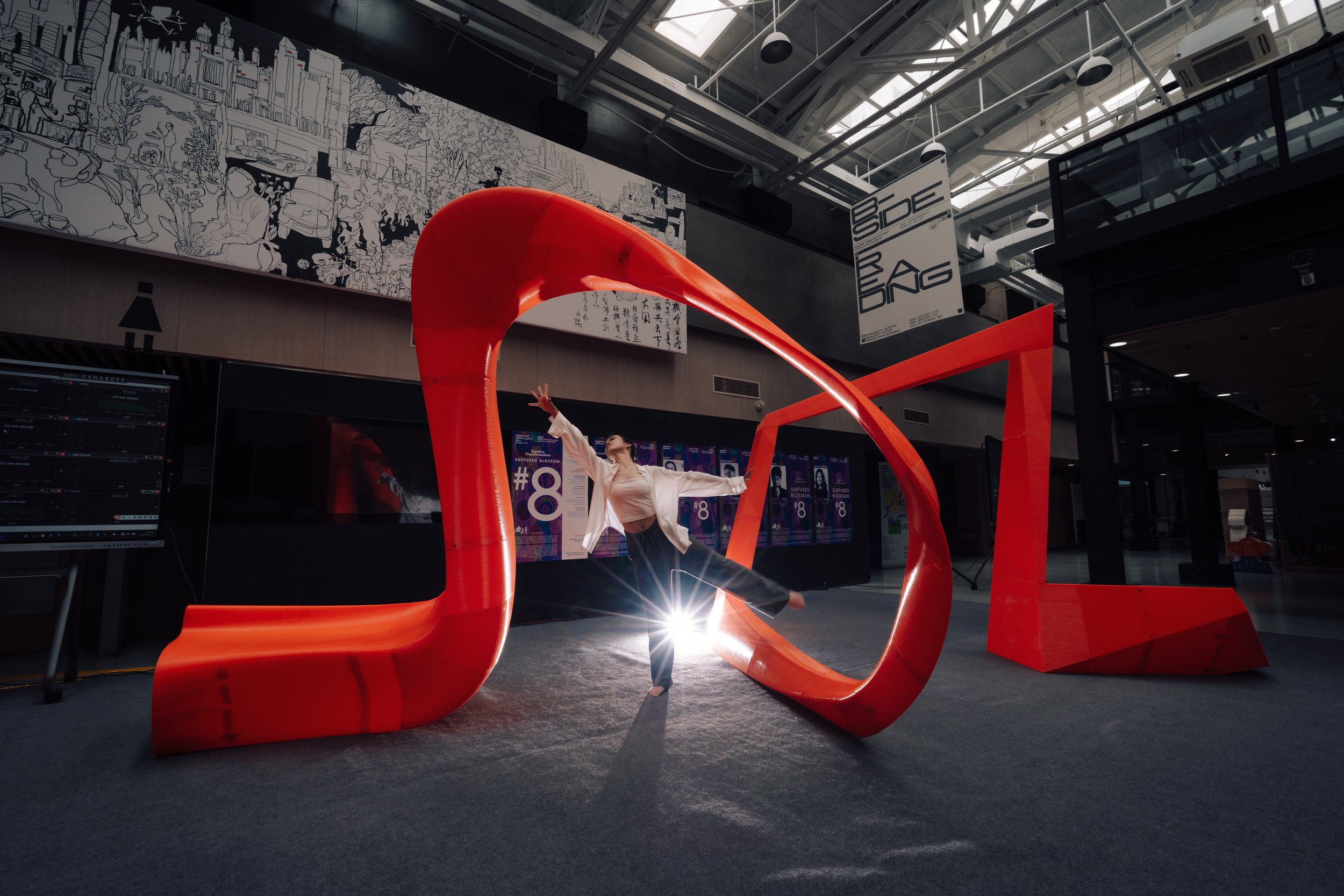
This installation, featuring a continuous form transitioning from curves to angles, was designed to explore how movement through space influences emotional responses. Motion-capturing cameras and wearable EEGs were used to track participant movements and brain activity, providing real-time data on how individuals interacted with the architectural form. Through a series of digital and physical experiments, the research demonstrates how empirical methodologies can be applied to understand and predict human emotional responses to architectural form. The findings offer exciting new possibilities for creating emotionally intelligent architecture that is grounded in science, enhancing the well-being of individuals and communities alike.